Urla Wine Route Guide: Vineyards and Wine Experiences in İzmir
The Urla Wine Route brings together vineyards, boutique wine producers, Aegean cuisine and peaceful countryside landscapes. This guide explores the character of the region and what to consider when planning a visit.
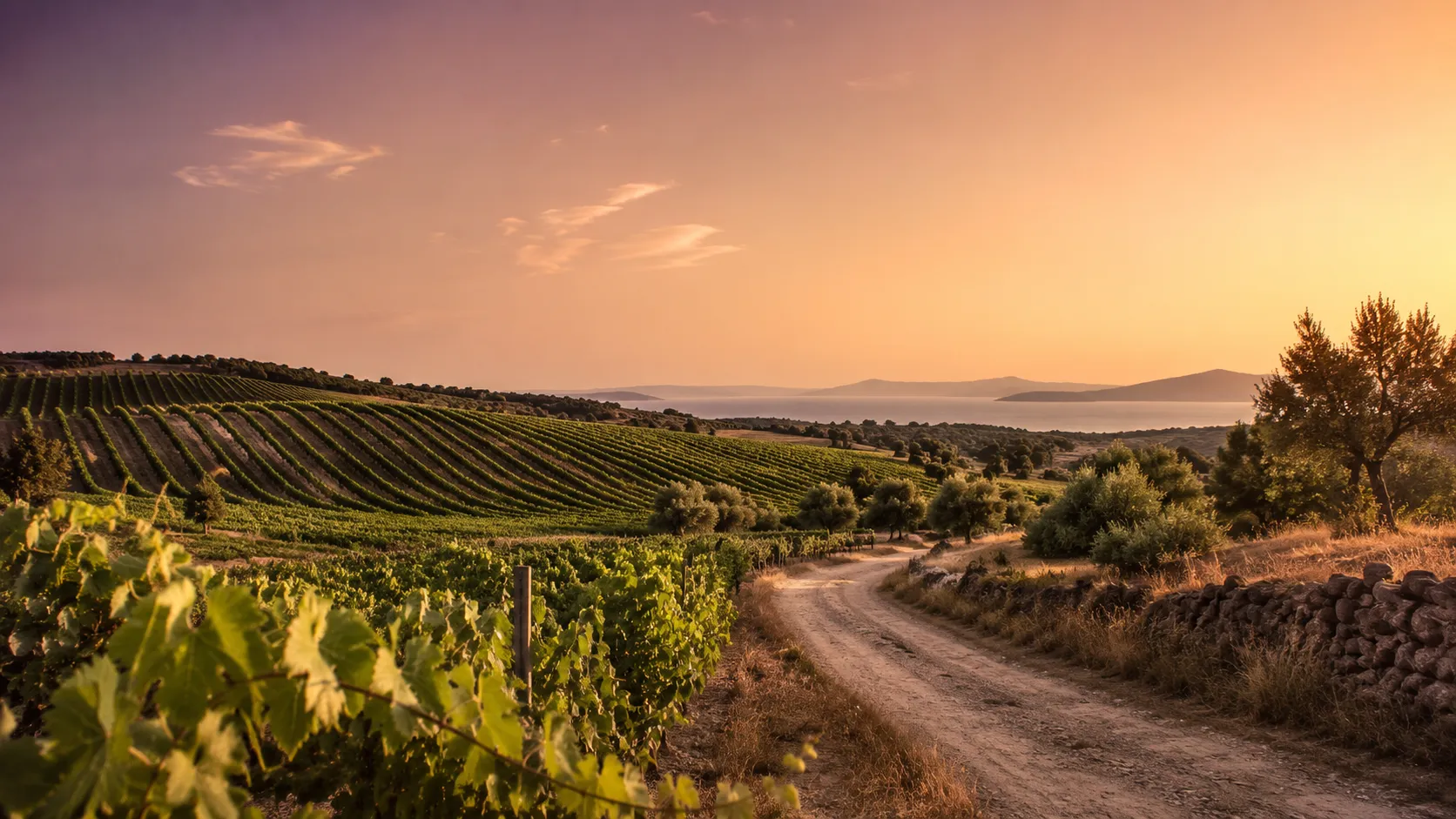
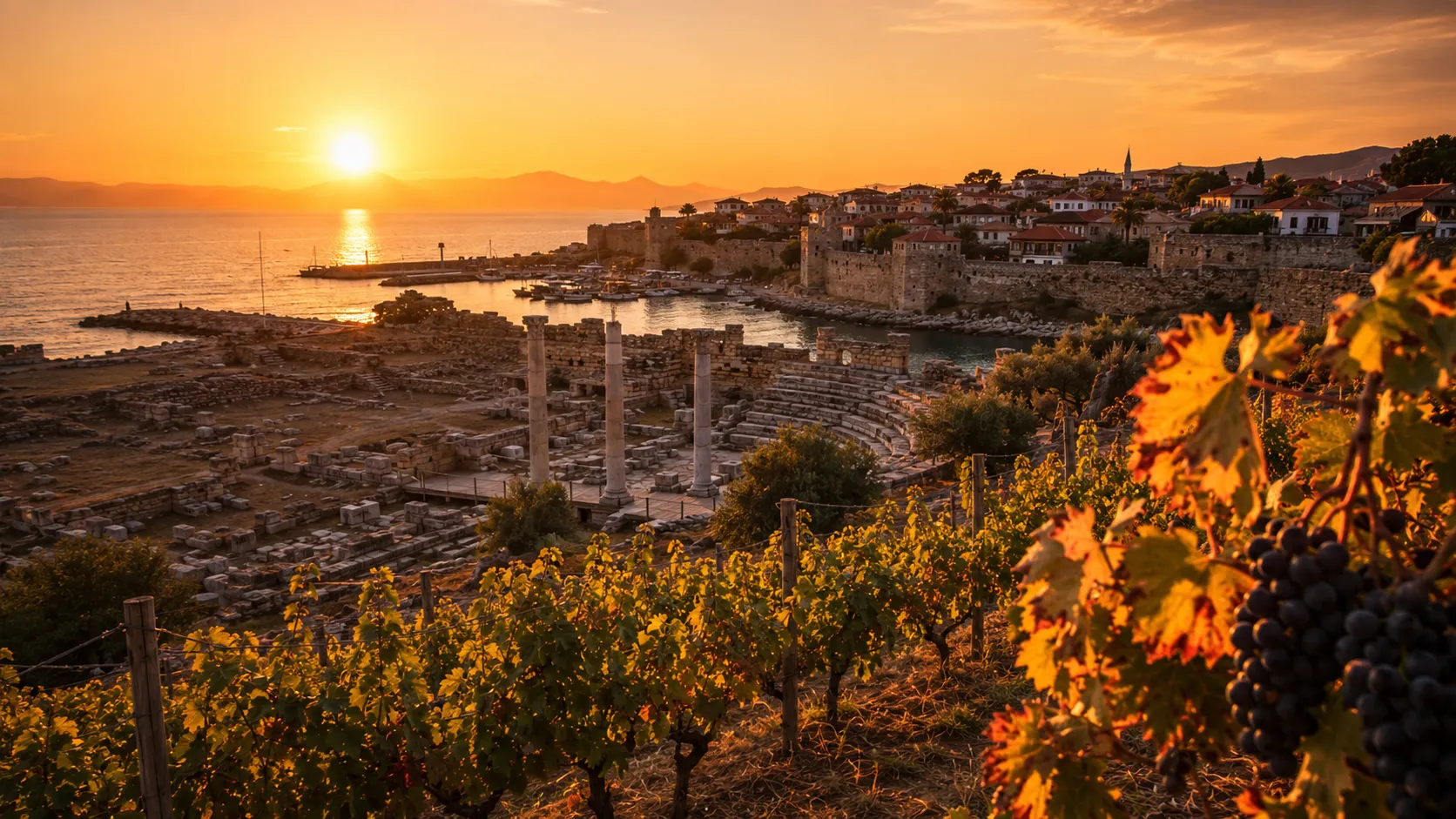
Located on the peninsula stretching west of İzmir into the Aegean Sea, Urla has developed into one of Türkiye's most compelling wine tourism destinations. The Urla Wine Route connects vineyards, wine producers, local cuisine and the rural landscape, creating an experience that goes far beyond a conventional tasting trip.
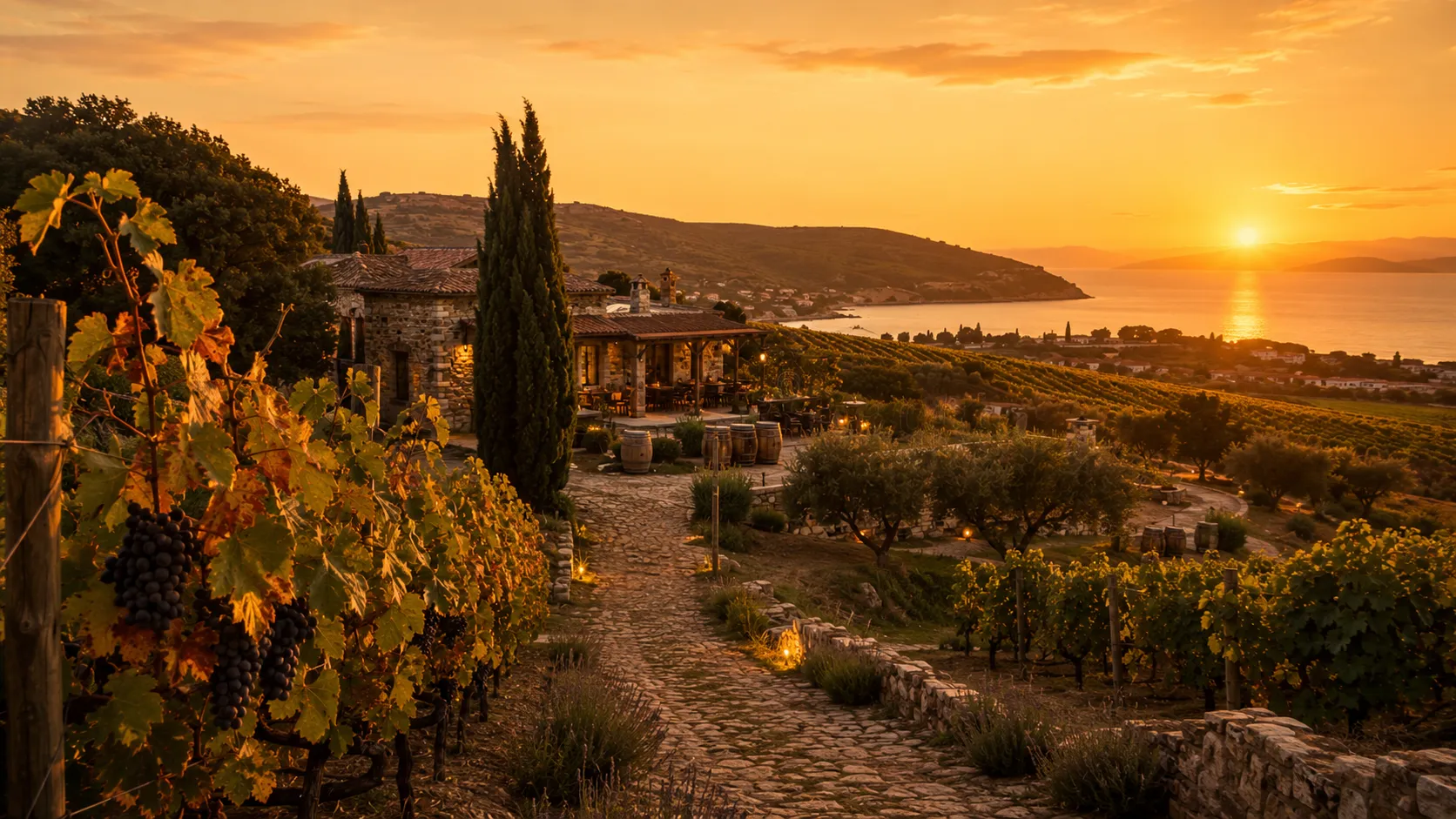
What makes Urla particularly appealing is the way wine fits naturally into the wider character of the region. Vineyard roads pass through olive groves, small settlements and open countryside, while the nearby coast adds another dimension to the journey. Visitors can explore contemporary Turkish winemaking, discover local food culture and experience the slower rhythm of the Aegean Peninsula within the same itinerary.
Why Urla Has Become an Important Wine Destination
The Urla Peninsula benefits from a recognisably Mediterranean climate, with abundant sunlight, maritime influences and varied local conditions. Changes in elevation, exposure and soil composition create different environments across the peninsula, allowing producers to cultivate a range of grapes and develop wines with distinct expressions.
The connection between vineyard and winery is central to the experience. A well-planned visit introduces travellers not only to finished wines but also to the landscape in which the grapes are grown. Depending on the producer and the season, visitors may learn about vineyard care, harvesting, fermentation, ageing and the decisions that shape each wine.
This context makes the tasting more meaningful. Instead of focusing only on flavour descriptions, visitors begin to understand how climate, soil, grape variety and winemaking approach come together in the glass.
The essence of wine tourism in Urla is not simply tasting wine, but discovering the landscape, people and decisions behind it.
What to Expect Along the Urla Wine Route
The wineries of Urla differ in scale, architectural style and visitor experience. Some offer contemporary tasting spaces and expansive vineyard views, while others provide a more intimate atmosphere where guests may have closer contact with the people involved in production. This variety allows travellers to build an itinerary that suits their interests and preferred pace.
A typical winery visit may include an introduction to the estate, an overview of the production process and a guided tasting. Some experiences place greater emphasis on the vineyard, while others focus on winemaking, food pairing or the story of the producer. Visiting arrangements vary, so checking current conditions and booking in advance is strongly recommended.
Although several stops can be covered in one day, quality is usually more rewarding than quantity. Allowing enough time for each winery creates space for conversation, observation and a more thoughtful tasting experience. A relaxed programme also makes it easier to include lunch and enjoy the countryside without rushing between locations.
Plan winery visits before arriving in the region.
Avoid scheduling too many tastings on the same day.
Consider a professional tour or a vehicle with a designated driver.
Wear comfortable shoes suitable for vineyard paths.
Protect purchased wine from excessive heat during transportation.
Wine, Food and the Flavours of the Aegean
Urla's appeal as a wine destination is closely linked to its food culture. Olive oil dishes, seasonal herbs, seafood, local cheeses and fresh vegetables form the foundation of the regional table. Pairing wine with local cuisine helps visitors understand the peninsula as a complete gastronomic landscape rather than a collection of separate wineries.
A balanced day might begin with a morning vineyard visit, continue with an Aegean lunch and include a second winery later in the afternoon. Travellers can also combine the route with Urla's town centre, rural villages, coastal areas and local food producers.
Seasonality plays an important role in the region's culinary identity. Ingredients, menus and the appearance of the vineyards change throughout the year. For this reason, returning to Urla in a different season can reveal a noticeably different side of the same destination.
When Is the Best Time to Visit?
Each season offers a different perspective on the Urla Wine Route. Spring brings fresh growth to the vineyards and generally pleasant conditions for spending time outdoors. The surrounding countryside becomes greener, and the mild weather suits visitors who want to combine tastings with short walks and sightseeing.
Summer offers long days and a lively atmosphere, although vineyard visits should be planned carefully during the hottest hours. Late summer and early autumn are especially interesting because harvest activity becomes part of the landscape. Grapes move from vineyard to winery, and the rhythm of production is more visible.
Later in autumn, changing colours and quieter roads create a more reflective experience. Winter visits can also be enjoyable for travellers seeking calm surroundings, although some outdoor activities or visitor programmes may be more limited.
How to Plan an Urla Wine Route Itinerary
The first step is to define the purpose of the visit. A traveller interested in learning about winemaking may prefer detailed estate tours, while a food-focused visitor may want to combine one or two tastings with a long regional lunch. Others may simply wish to explore the rural side of Urla and enjoy vineyard views.
For a first visit, an itinerary featuring two or three wineries, a lunch stop and pre-arranged transportation is usually sufficient. The wineries are not necessarily within walking distance of one another, so transport should be considered an essential part of the plan. Anyone participating in tastings should avoid driving.
Urla can be visited as a day trip, but staying overnight creates a more relaxed experience. Additional time makes it possible to explore the peninsula, enjoy local restaurants without watching the clock and visit wineries at a slower pace.
Who Will Enjoy the Urla Wine Route?
The route is not designed only for experienced wine enthusiasts. It is equally suitable for travellers beginning to explore wine, couples, groups of friends, food lovers, corporate groups and visitors interested in rural destinations. Because every winery offers a different style of experience, communicating the group's interests in advance can help create a more suitable visit.
Urla's greatest strength is its ability to bring several experiences together. Contemporary winemaking, vineyard landscapes, Aegean cuisine, olive groves, village roads and the nearby sea all contribute to the journey. This combination makes the Urla Wine Route more than a tasting itinerary: it is one of the most accessible and engaging ways to discover the evolving culture of wine tourism in Türkiye.
Frequently Asked Questions
How many days should I spend exploring the Urla Wine Route?
A basic itinerary covering two or three wineries can be completed in one day. An overnight stay is better for a slower experience that also includes local restaurants and other parts of the peninsula.
Do wineries in Urla require reservations?
Visiting arrangements differ between wineries. Advance booking is recommended, particularly for guided tastings, vineyard tours or food experiences.
What is the best way to travel along the Urla Wine Route?
Vineyards and wineries may not be within walking distance of one another. Visitors can use a private vehicle, a chauffeured transfer or an organised tour. Anyone taking part in tastings should not drive.
Related Wine Routes
Related Tours
More From This Category
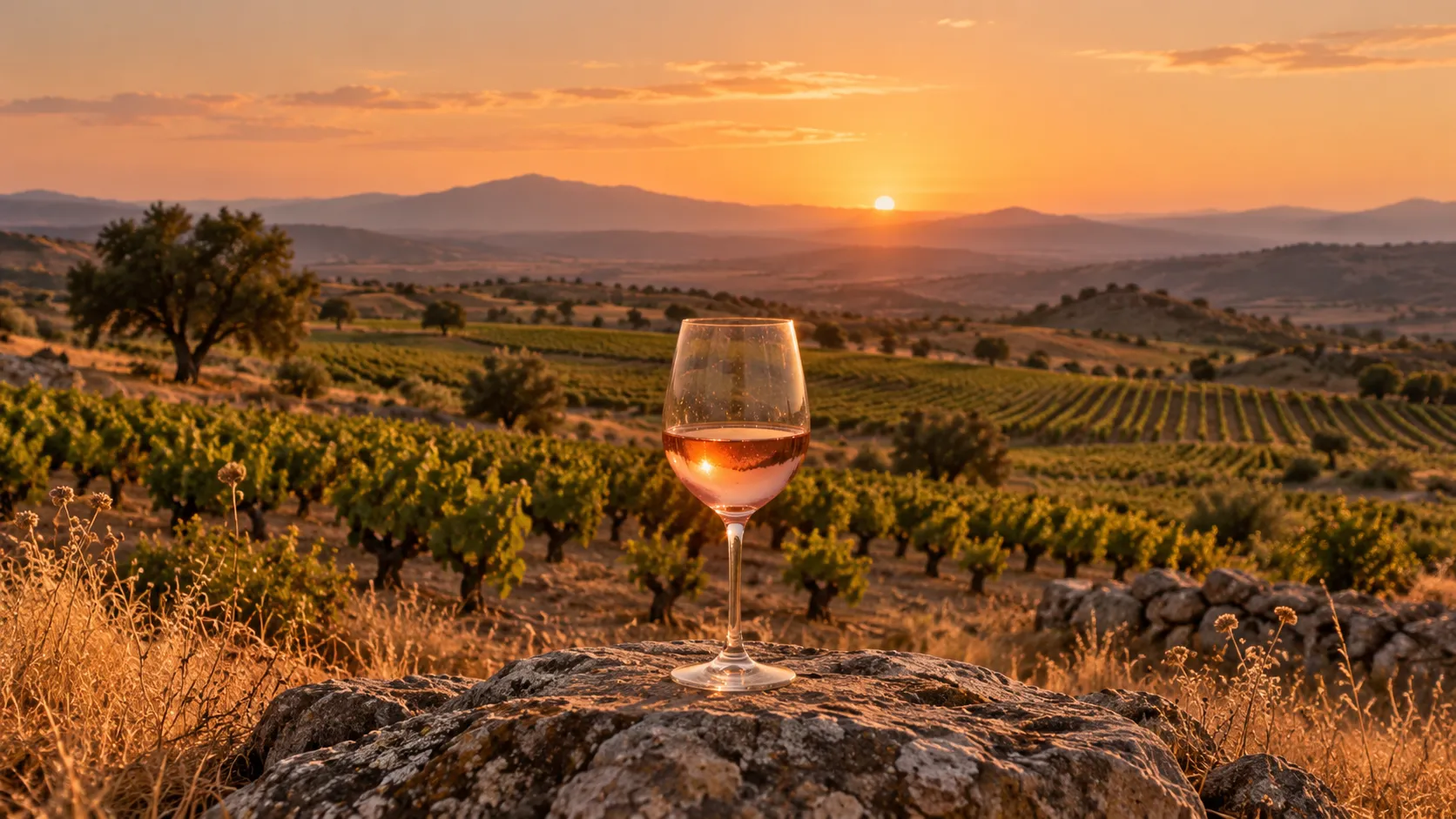
Çal Wine Route Guide: Çalkarası, Highland Vineyards and Wine Experiences
On the high plateau of Çal, in the Denizli province, vineyards and the local Çalkarası grape define a wine route unlike any other in Türkiye. The Çal Wine Route brings together boutique producers, a viticultural tradition reaching back millennia, inland Aegean cuisine and ancient sites such as Laodikeia. This guide explores the character of the region and what to consider when planning a visit.
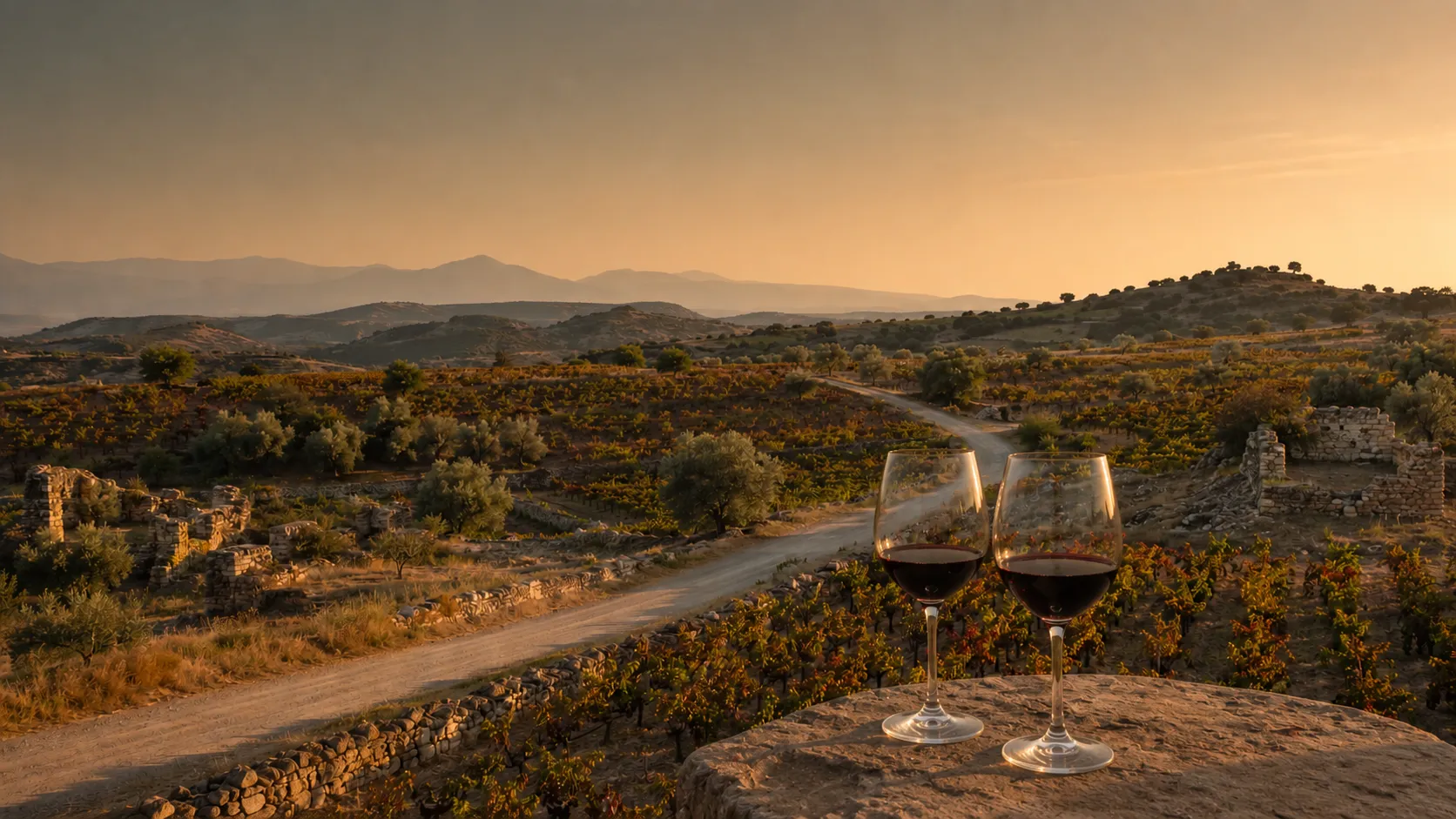
Lidya Ancient Wine Route Guide: History, Vineyards and Wine
The Lidya Ancient Wine Route connects the vineyards and wine producers of the Inner Aegean with a cultural landscape extending from Sardis to Thyateira. This guide explores the route’s character, visitor experiences and practical planning advice.