Lidya Ancient Wine Route Guide: History, Vineyards and Wine
The Lidya Ancient Wine Route connects the vineyards and wine producers of the Inner Aegean with a cultural landscape extending from Sardis to Thyateira. This guide explores the route’s character, visitor experiences and practical planning advice.
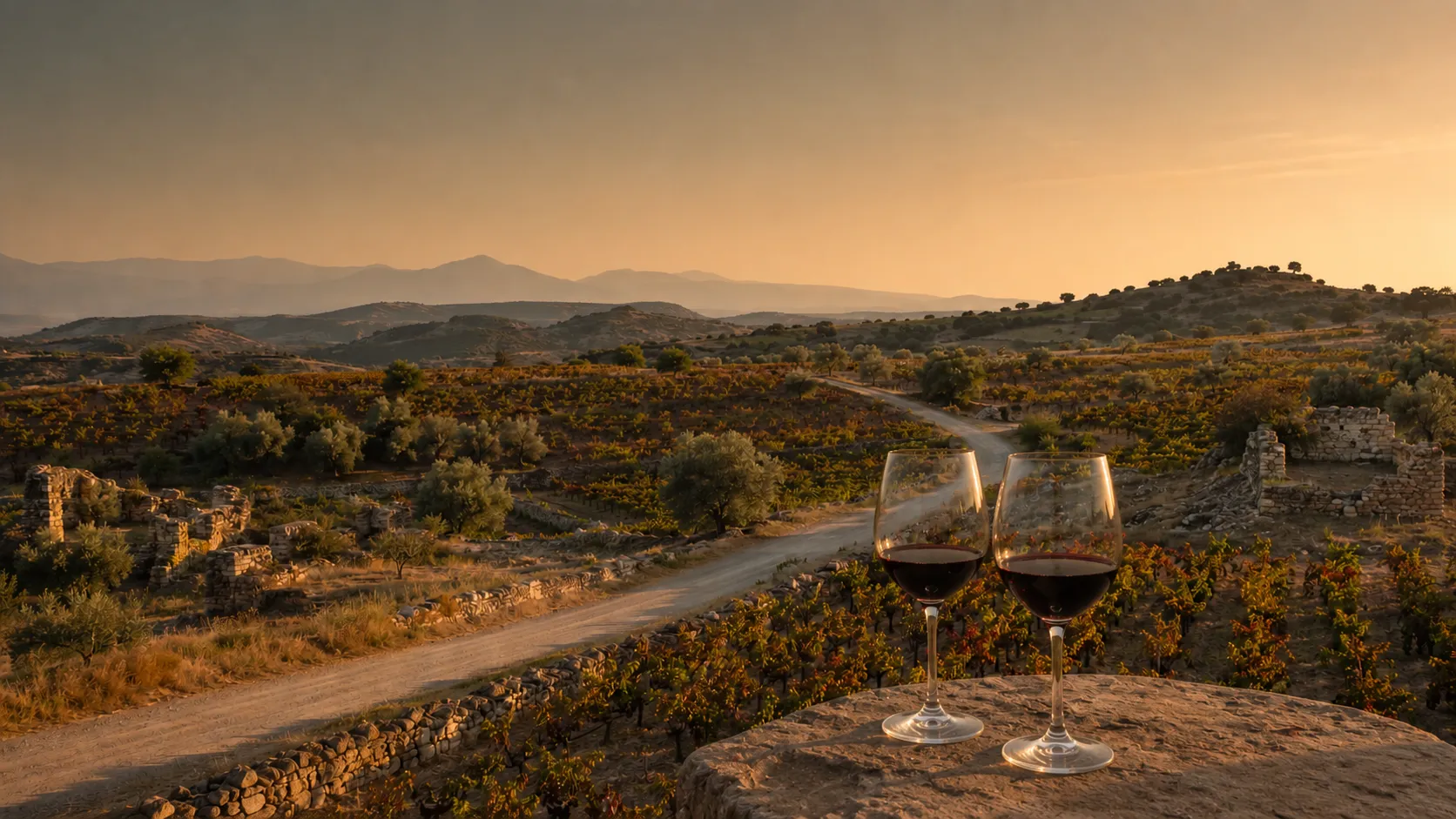
The Lidya Ancient Wine Route is an extensive wine tourism itinerary connecting the viticultural culture of the Inner Aegean with ancient cities, local producers and contemporary Turkish winemaking.
Stretching across a broad landscape that includes Kemalpaşa near İzmir and several parts of Manisa, Akhisar and Alaşehir, the route appeals not only to wine enthusiasts but also to travellers interested in history, rural life, gastronomy and regional production.
Unlike wine routes concentrated around a single town, the Lidya Ancient Wine Route covers a wide geographical area. Its producers are connected by the cultural landscape of ancient Lydia rather than by physical proximity alone.
Exploring the route therefore involves more than travelling between wineries. It offers an opportunity to experience the varied landscapes, archaeological heritage and agricultural traditions of the Inner Aegean.
Viticulture and History in the Lands of Lydia
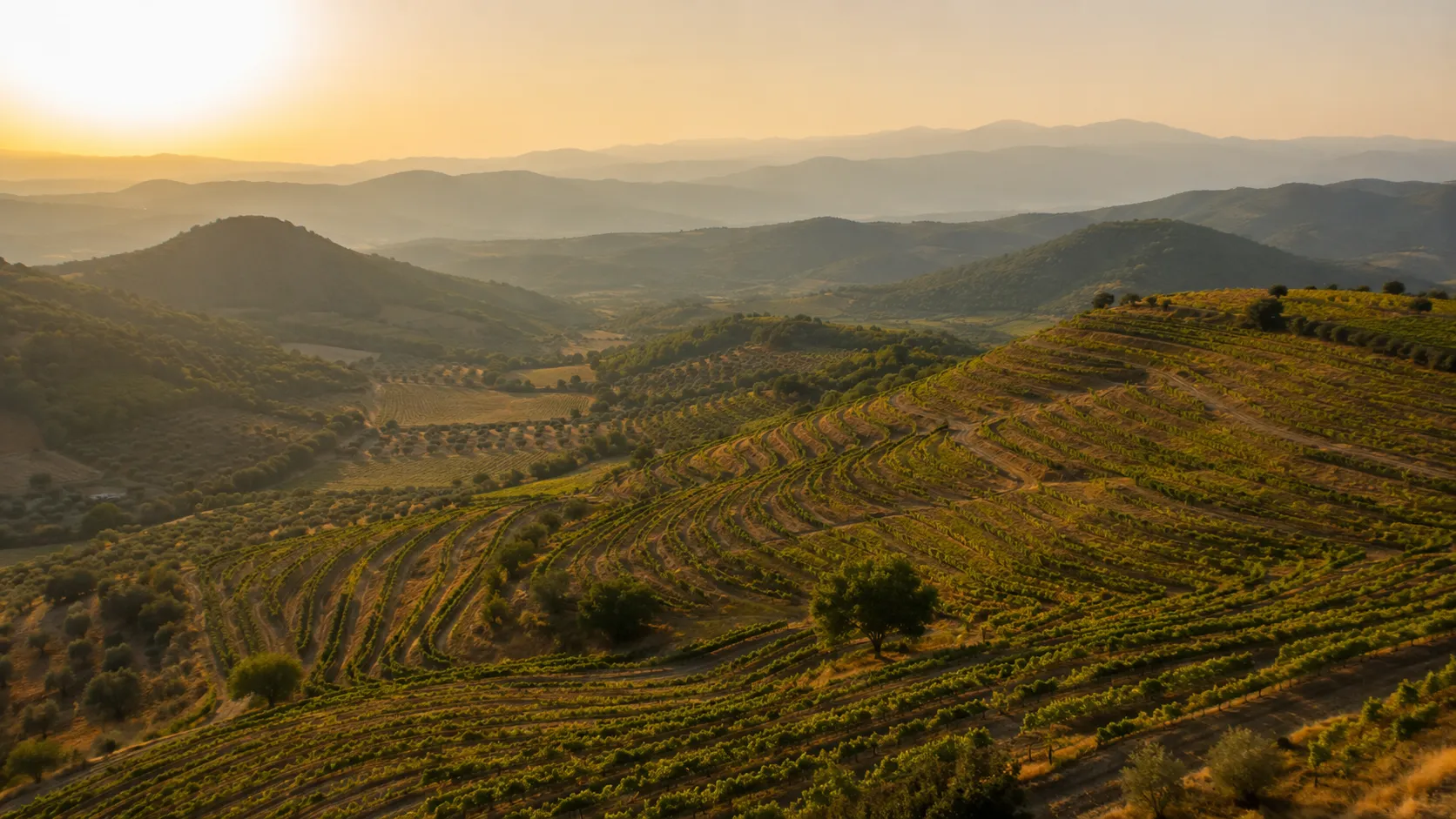
Sardis, the centre of the ancient Lydian civilisation, is one of the most significant archaeological sites in western Anatolia.
Located near modern Sart in the Salihli district of Manisa, the city served as the capital of the Lydian Kingdom.
Its historical importance gives the surrounding wine route a strong cultural context and makes it possible to combine vineyard experiences with one of the region’s major heritage sites.
Another important historical centre associated with the wider route is Thyateira. The ancient settlement developed in the area occupied by modern Akhisar and was historically positioned at the meeting point of important commercial and military roads.
Including such sites in an itinerary transforms a winery trip into a broader journey combining archaeology, cultural history and gastronomy.
What distinguishes the Lidya Ancient Wine Route is its presentation of wine not simply as a product, but as part of a continuing relationship between landscape, history and production.
Wine Producers Along the Route
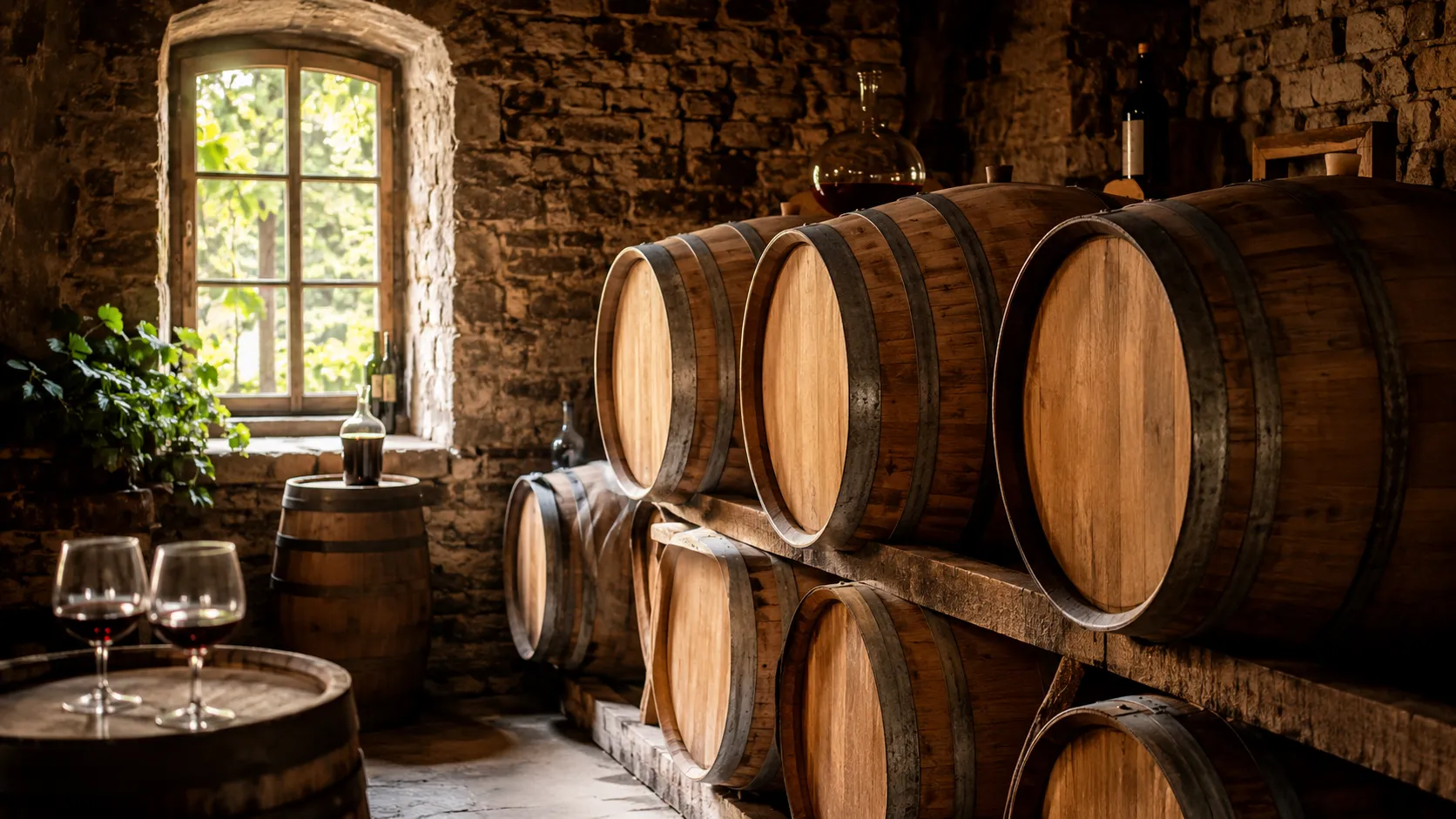
The Lidya Ancient Wine Route brings together producers working at different scales and following different approaches to vineyard management and winemaking.
Because the vineyards and production facilities are spread across several parts of the Inner Aegean, the route should not be approached as a compact circuit.
Areas around Kemalpaşa, Akhisar, Alaşehir and Manisa offer different elevations, soils and local climatic conditions. This geographical variety allows visitors to encounter contrasting vineyard landscapes and a wide range of producer perspectives.
Visitor experiences vary between wineries. Some visits may focus on vineyards and production facilities, while others place greater emphasis on guided tastings, local food, scenery or the story of the estate.
Opening arrangements, reservation requirements and available experiences may change. Visitors should therefore contact producers before travelling.
What Can Visitors Experience?

A journey along the route can include much more than wine tasting.
Walking through vineyards, observing the landscape in which the grapes grow, learning about production and discovering regional food culture are all important parts of the experience.
Adding archaeological sites creates a more balanced itinerary and helps explain the historical depth of the region.
For a one-day visit, two wineries and one cultural stop will usually provide a comfortable programme.
A route combining Sardis with a vineyard visit brings wine and Lydian history together within the same day.
An itinerary centred on Akhisar may combine Thyateira, local food and nearby wine producers.
Visitors should consider the following points while planning:
Arrange winery visits before travelling.
Avoid scheduling too many tastings in a single day.
Wear comfortable shoes for vineyards and archaeological sites.
Use a professional tour, chauffeur or designated driver when tasting.
Confirm current reservation and visitor conditions directly with producers.
Wine and the Cuisine of the Inner Aegean
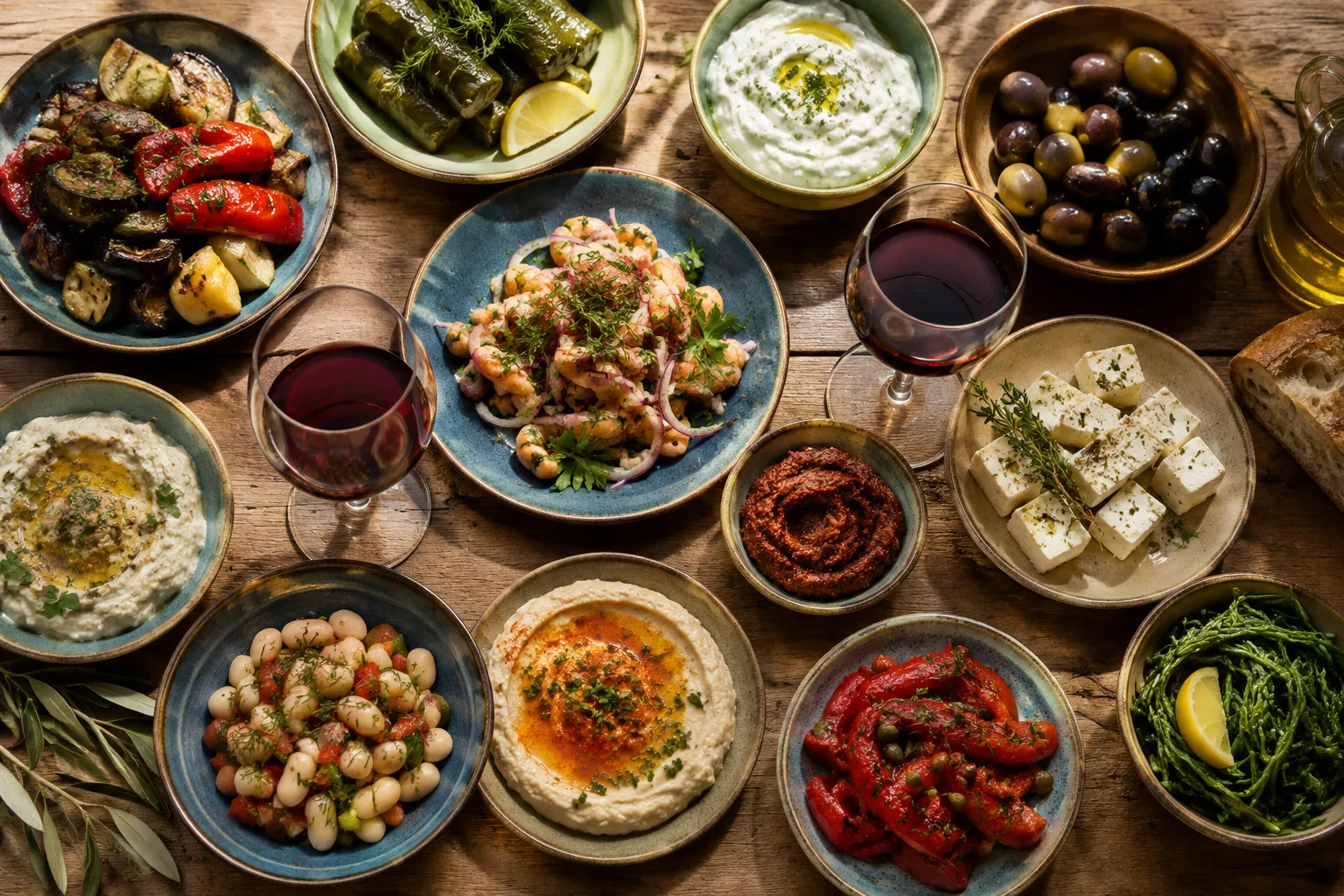
Regional gastronomy is an essential part of the Lidya Ancient Wine Route.
Manisa and the surrounding area have a food culture shaped by grapes, olives, olive oil, local cheeses, seasonal vegetables, pastries and agricultural products.
Combining wine visits with local meals helps visitors understand the wider landscape in which the wines are produced.
Not every winery necessarily provides a restaurant or full dining experience. A separate lunch or dinner stop may therefore need to be included in the itinerary.
Towns such as Akhisar, Manisa, Salihli and Alaşehir can serve as useful points for food and rest while travelling between vineyard areas and cultural sites.
When Is the Best Time to Visit?
Spring is one of the most pleasant seasons for exploring the route, as new growth returns to the vineyards and outdoor visits are generally comfortable.
Summer offers long days, but temperatures in the Inner Aegean can become high. Vineyard walks and archaeological visits are therefore better planned for the cooler parts of the day.
Late summer and early autumn bring greater activity to the vineyards. The harvest period makes the journey from grape to winery more visible and gives visitors a clearer sense of the production cycle.
Later in autumn, changing vineyard colours and quieter roads create a calmer atmosphere.
Winter can offer a quieter journey, although some outdoor activities and visitor programmes may be limited according to seasonal conditions.
How Many Days Are Needed?
Because the route covers a large geographical area, attempting to visit every producer in one day would create a rushed and impractical programme.
First-time visitors will generally have a better experience by concentrating on one part of the route.
An itinerary centred on Sardis and its surroundings or a journey focused on Thyateira and Akhisar can be selected according to individual interests.
Travellers who want to visit several vineyard areas, archaeological sites and regional restaurants should consider staying for at least one night.
A two- or three-day journey makes it easier to move between producers without rushing and provides more time for the cultural landscape of the region.
Who Is the Route Suitable For?
The Lidya Ancient Wine Route is suitable for wine enthusiasts, history and archaeology travellers, food lovers, groups of friends and visitors interested in rural destinations.
Specialist wine knowledge is not required. Producer-led explanations and guided tastings can offer an accessible introduction for people discovering Turkish wine for the first time.
The route’s greatest strength is its ability to bring the past and present together within the same journey.
Ancient cities, vineyards, contemporary production facilities and the cuisine of the Inner Aegean create a layered travel experience and make the Lidya Ancient Wine Route a valuable starting point for exploring wine tourism in Türkiye.
Frequently Asked Questions
Where is the Lidya Ancient Wine Route located?
The Lidya Ancient Wine Route extends across the Inner Aegean, connecting wine producers around Kemalpaşa near İzmir and several areas of Manisa, Akhisar and Alaşehir. As the route is not concentrated in one town, visits should be planned by geographical area.
How many days are needed for the Lidya Ancient Wine Route?
A focused itinerary with two wineries and one cultural stop can be completed in one day. At least one overnight stay is recommended for travellers combining several vineyard areas, historical sites such as Sardis or Thyateira, and regional food experiences.
Are reservations required for winery visits?
Visitor arrangements and available experiences differ between producers. Travellers should contact wineries in advance and make reservations when planning vineyard tours, guided tastings or food experiences.
Sources
Related Wine Routes
Related Tours

More From This Category

Çal Wine Route Guide: Çalkarası, Highland Vineyards and Wine Experiences
On the high plateau of Çal, in the Denizli province, vineyards and the local Çalkarası grape define a wine route unlike any other in Türkiye. The Çal Wine Route brings together boutique producers, a viticultural tradition reaching back millennia, inland Aegean cuisine and ancient sites such as Laodikeia. This guide explores the character of the region and what to consider when planning a visit.
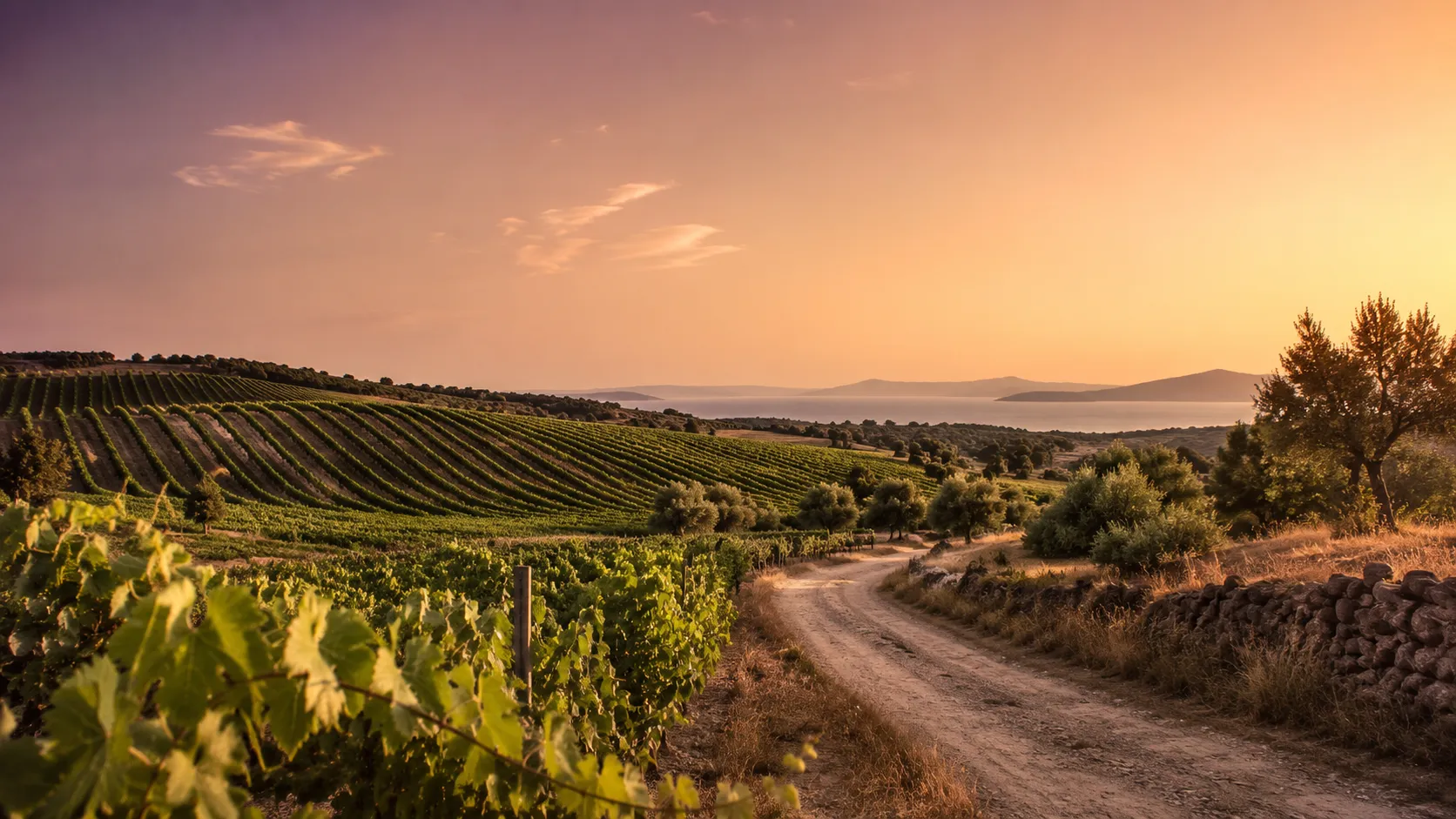
Urla Wine Route Guide: Vineyards and Wine Experiences in İzmir
The Urla Wine Route brings together vineyards, boutique wine producers, Aegean cuisine and peaceful countryside landscapes. This guide explores the character of the region and what to consider when planning a visit.