Çal Wine Route Guide: Çalkarası, Highland Vineyards and Wine Experiences
On the high plateau of Çal, in the Denizli province, vineyards and the local Çalkarası grape define a wine route unlike any other in Türkiye. The Çal Wine Route brings together boutique producers, a viticultural tradition reaching back millennia, inland Aegean cuisine and ancient sites such as Laodikeia. This guide explores the character of the region and what to consider when planning a visit.
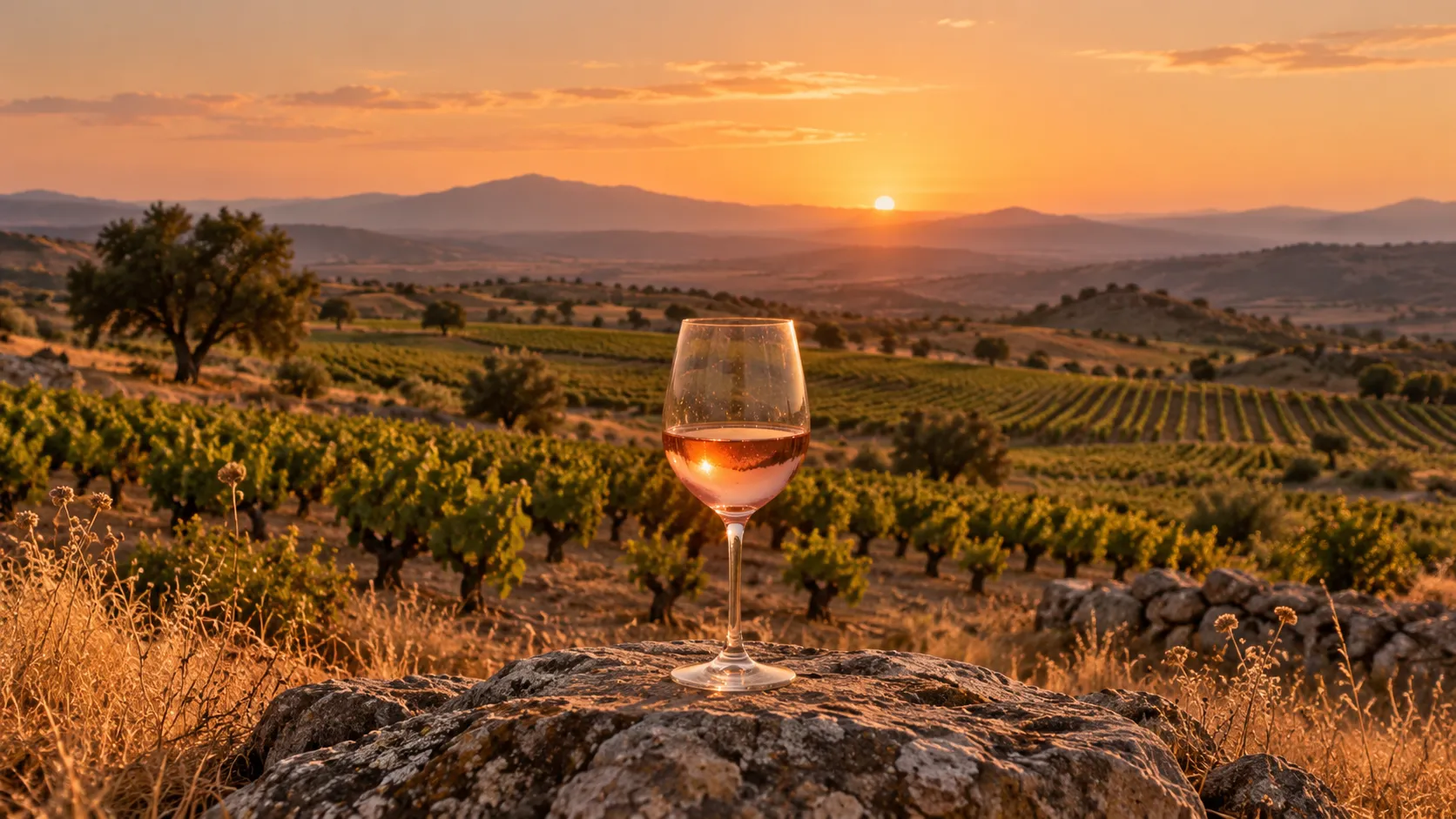
Rising above the valley of the Büyük Menderes in the north-east of Denizli province, the Çal plateau is one of Türkiye's most deeply rooted yet least known winegrowing regions. Grape seeds uncovered in local archaeological excavations, dating back thousands of years, show that viticulture here is not a recent venture but a very long continuity. The Çal Wine Route connects that heritage with today's boutique producers, the local grape and the open highland landscape.
What most clearly sets Çal apart from other Turkish wine routes is that it has a grape bearing its own name: Çalkarası. Almost every producer along the route works with it, and each draws something different out of it. A tasting journey through Çal therefore offers an unusual opportunity to see how many faces a single grape can have.
Çalkarası: The Grape at the Heart of the Route
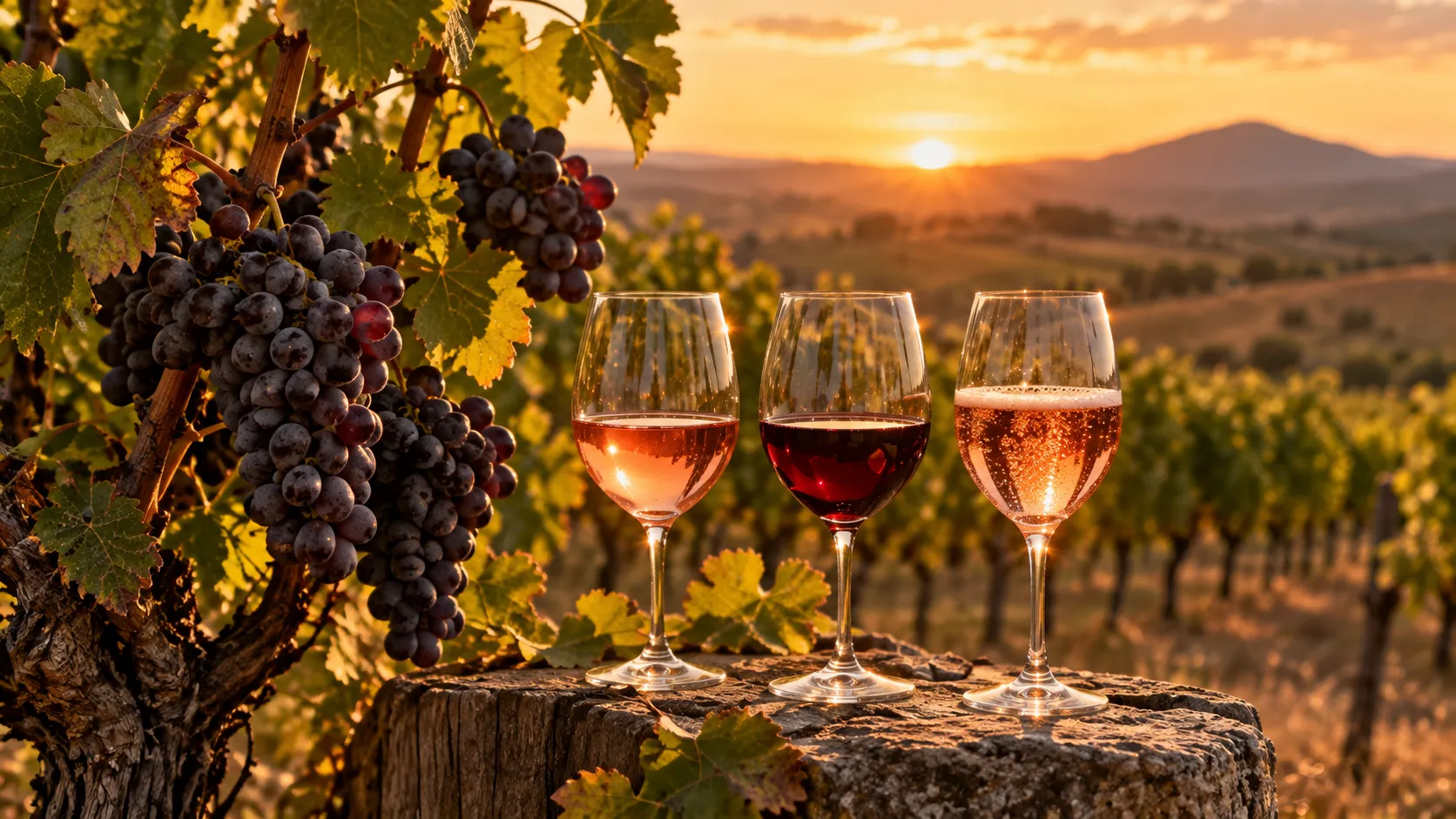
Çalkarası is a local red variety named after the district where it grows. Its naturally high acidity and aromatic flexibility keep it from being confined to a single wine style. Producers in the region make vibrant fruit-driven rosés, light-bodied reds and sparkling experiments from the same grape.
Rosé is the expression for which Çalkarası is best known. The grape's fresh acidity and red-fruit character show themselves most clearly in this style. Red versions produced with longer maceration, by contrast, retain the liveliness that comes from the region's cool nights while revealing a different character altogether.
Tasting several Çalkarası wines from the same producer side by side is the most instructive part of a visit. Asking how harvest timing, maceration length or barrel use changes the wine turns a tasting from a list of aromas into a genuine conversation about winemaking.
High Plateau, Cool Nights
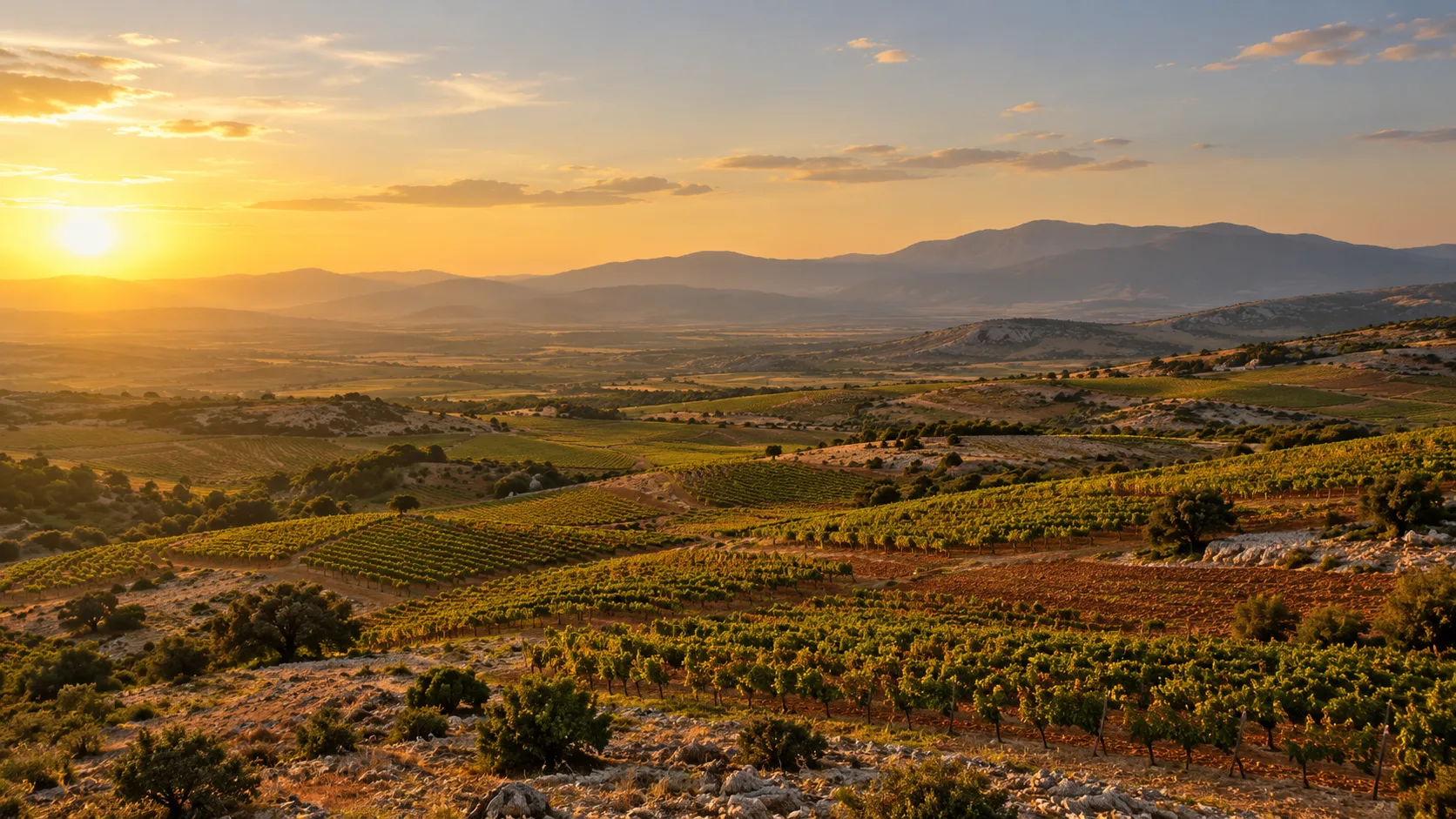
Altitude is the defining factor for viticulture in Çal. Vineyards here generally sit above 800 metres on highland terrain, and this elevation creates a marked difference between daytime and night-time temperatures.
The effect on the wine is direct: grapes ripen during the day while cool nights preserve acidity. Ripeness and freshness can therefore be achieved at the same time — a balance not easily reached in warmer climates. Clay-loam soils with a high limestone content complete the picture.
These conditions explain why wines from Çal are not merely curiosities made from a local grape, but carry an identity worth taking seriously in their own right. The influence of altitude is also visible on the ground: the plateau landscape is noticeably different from the vineyard roads of the Aegean coast.
The Producers Along the Route
The Çal Wine Route brings together a small number of producers with distinctly different characters. The modest scale of the route is an advantage: visitors often find themselves talking directly to the owner or to a member of the family.
Lermenos carries the story of a producer who came to winegrowing from an entirely different profession, and works with both local and international varieties alongside Çalkarası. Erdel, with extensive vineyards around the village of Hançalar, is one of the most established producers on the route and bottles under more than one label. Kuzubağ, a family estate, grows Kalecik Karası, Öküzgözü and Narince in addition to Çalkarası. Küp Şarapları is among the route's smaller boutique producers.
Visiting arrangements differ from one estate to another. Some offer regular tasting programmes, while others receive guests by appointment only. Checking current conditions before setting out and booking in advance wherever possible is strongly recommended.
Laodikeia and the Region's Historical Layer
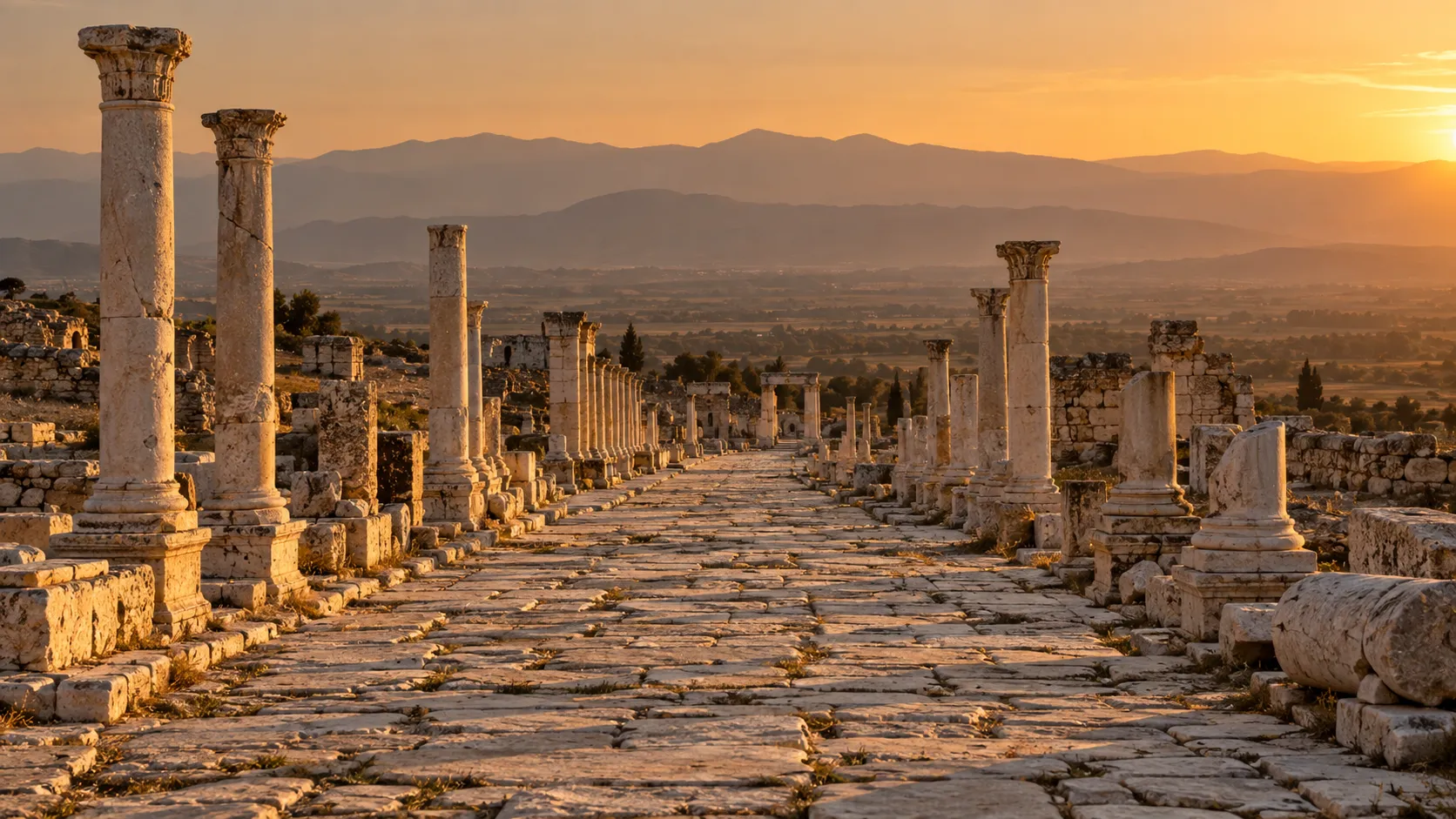
Seeing the Çal Wine Route purely as a tasting itinerary would be incomplete. The area around Denizli was home to significant settlements in antiquity, and one of them, Laodikeia, adds a natural historical stop to the route.
Spread across a wide site, Laodikeia's colonnaded streets, theatres and public buildings give a tangible sense of the scale this region reached in ancient times. An ancient city placed between vineyard visits does more than vary the day; it makes clear how far back the relationship between this land and wine reaches.
For those looking for a break in nature, alternatives such as the Çal Canyon are also within reach. This deep valley, carved by the Büyük Menderes, adds another dimension to the highland landscape and offers welcome relief during the warmer months.
Inland Aegean Cuisine and Wine
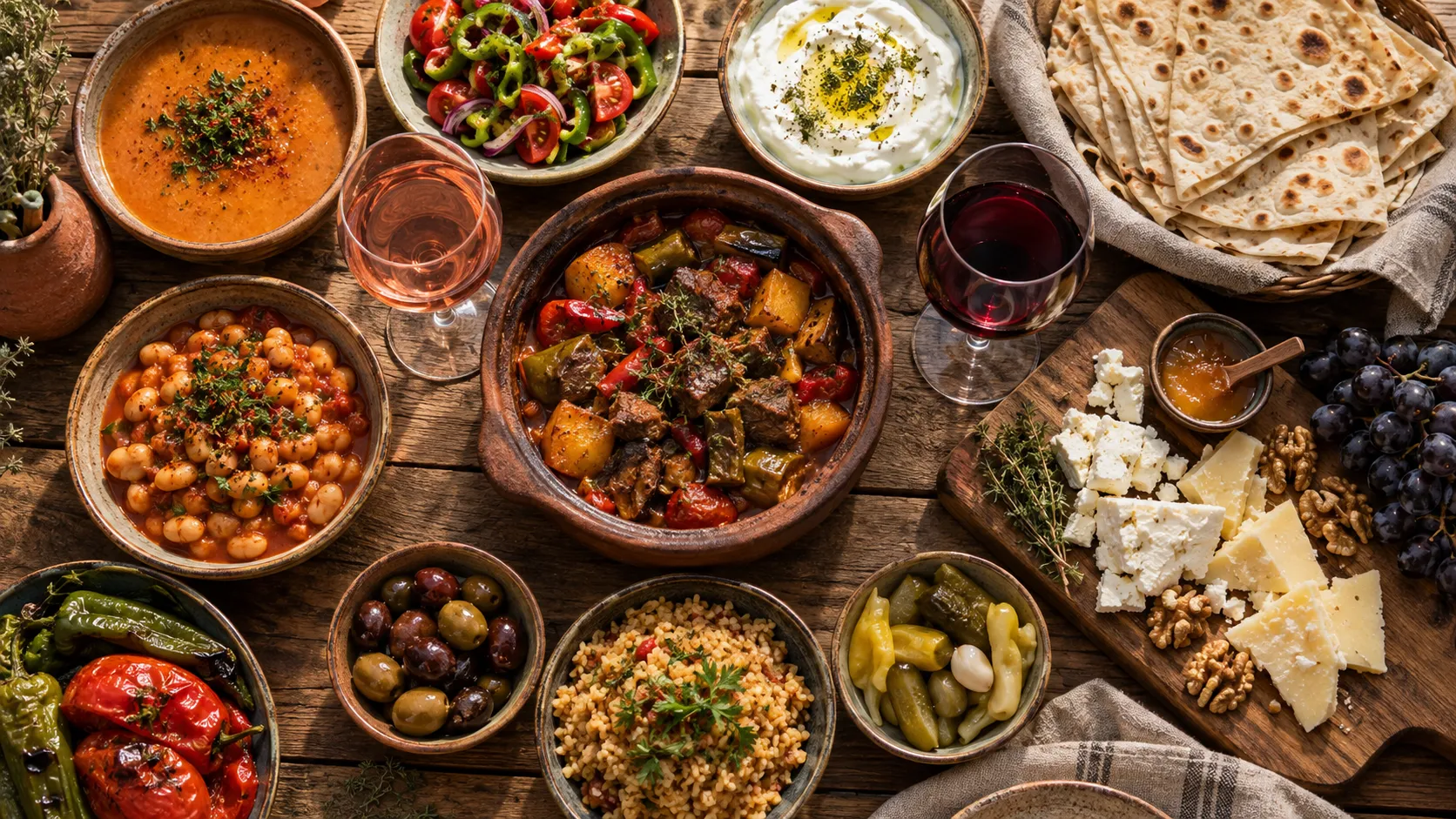
Çal and its surroundings have a culinary identity distinctly different from the Aegean coast. Seafood gives way here to tarhana, thin village bread, goat and sheep cheeses, pulses, slow-cooked meats and seasonal vegetables. This more earthbound cooking forms a natural partnership with the region's wines.
The fresh acidity and medium body of Çalkarası can balance the richness of local dishes. Rosé versions work well with light meze and cheeses, while the reds sit comfortably alongside slow-roasted meats and casseroles.
The route does not have the dense restaurant network found in coastal areas. Planning lunch in advance is therefore useful, particularly on weekdays. Some producers serve food on site, and this is worth asking about beforehand.
When Is the Best Time to Visit?
Each season reveals a different side of the region. Spring brings the vineyards back to life and offers the freshest highland air, with conditions well suited to short walks, outdoor time and photography.
Summer days are long and lively, though daytime temperatures can be high. Scheduling vineyard visits for the morning or late afternoon makes for a more comfortable programme. Late summer and early autumn coincide with harvest and are the most active period on the route, offering the chance to see grapes moving from vineyard to winery.
Later in autumn, changing colours and quieter roads create a more reflective experience. In winter, highland conditions can become harsh and some estates operate limited visitor programmes, so confirming arrangements in advance is especially important.
How to Plan the Trip and How Long to Stay
Compared with routes centred on İzmir, the Çal Wine Route lies further from major cities. It is roughly an hour's drive from central Denizli, and the stops along the route are not within walking distance of one another. Transport is therefore not a detail to settle after the plan, but a fundamental part of it.
Anyone taking part in tastings should avoid driving. A vehicle with a designated driver or an organised tour makes a clear difference both to safety and to the quality of the experience.
The route can technically be covered in a single day, but given the distance involved, an overnight plan is far more comfortable. Staying one night makes it possible to give two or three producers unhurried attention, add a historical stop such as Laodikeia, and leave room for a proper regional meal.
Who Will Enjoy the Çal Wine Route?
This route suits travellers who prefer smaller-scale visits with direct contact over crowded, pre-packaged tourism experiences. It is particularly rewarding for anyone curious about Türkiye's indigenous grape varieties, interested in reading a region's identity through a single grape, or keen to talk with the people who make the wine.
No expertise is required. If anything, the modest scale of Çal creates a relaxed environment for learning: it is easier here to ask questions, compare different versions of the same grape and genuinely understand where a wine comes from.
For travellers who want to combine history, nature and food in one journey, the Çal Wine Route is a well-balanced choice. An ancient city, a deep canyon, highland vineyards and a grape that carries the district's own name — this combination is not easy to find together anywhere else in Türkiye.
Frequently Asked Questions
Where is the Çal Wine Route and how do you get there?
The Çal Wine Route is located in the Çal district of Denizli province, on a high plateau north of the Büyük Menderes valley. It is roughly an hour's drive from central Denizli. Travelling by car is the most practical option, but since the producers are not within walking distance of one another and tastings are part of the visit, using a vehicle with a designated driver or joining an organised tour is strongly recommended. For those arriving by air, Denizli Çardak Airport is the nearest gateway.
What kind of grape is Çalkarası and what wines does it produce?
Çalkarası is a local red variety named after the district where it grows. Its naturally high acidity and aromatic flexibility allow it to be adapted to a range of styles. It is best known for rosé wines, where its lively acidity and red-fruit character come through most clearly. Light to medium-bodied reds and sparkling versions are also produced. Tasting several Çalkarası wines from the same producer side by side is the best way to appreciate this range.
How many days should I set aside for the Çal Wine Route?
The route can technically be covered in a single day, but given the distance from major cities, an overnight stay makes for a far more comfortable experience. Two days allow you to give two or three producers unhurried attention, add a historical stop such as the ancient city of Laodikeia, and leave room for a proper regional meal. If you are visiting as a day trip, it is best to limit the number of stops and book everything in advance.
Sources
Related Wine Routes
Related Tours
More From This Category
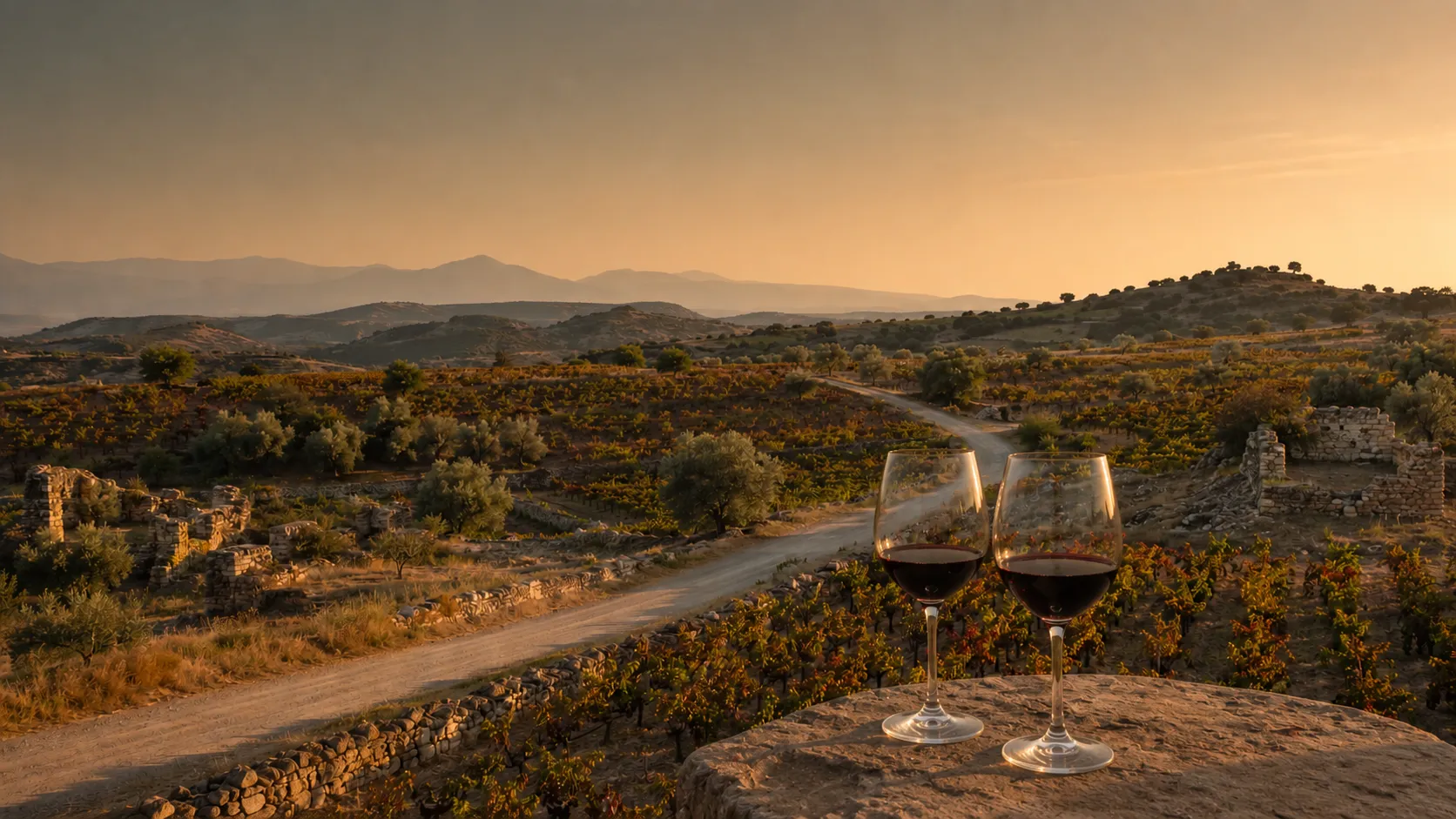
Lidya Ancient Wine Route Guide: History, Vineyards and Wine
The Lidya Ancient Wine Route connects the vineyards and wine producers of the Inner Aegean with a cultural landscape extending from Sardis to Thyateira. This guide explores the route’s character, visitor experiences and practical planning advice.
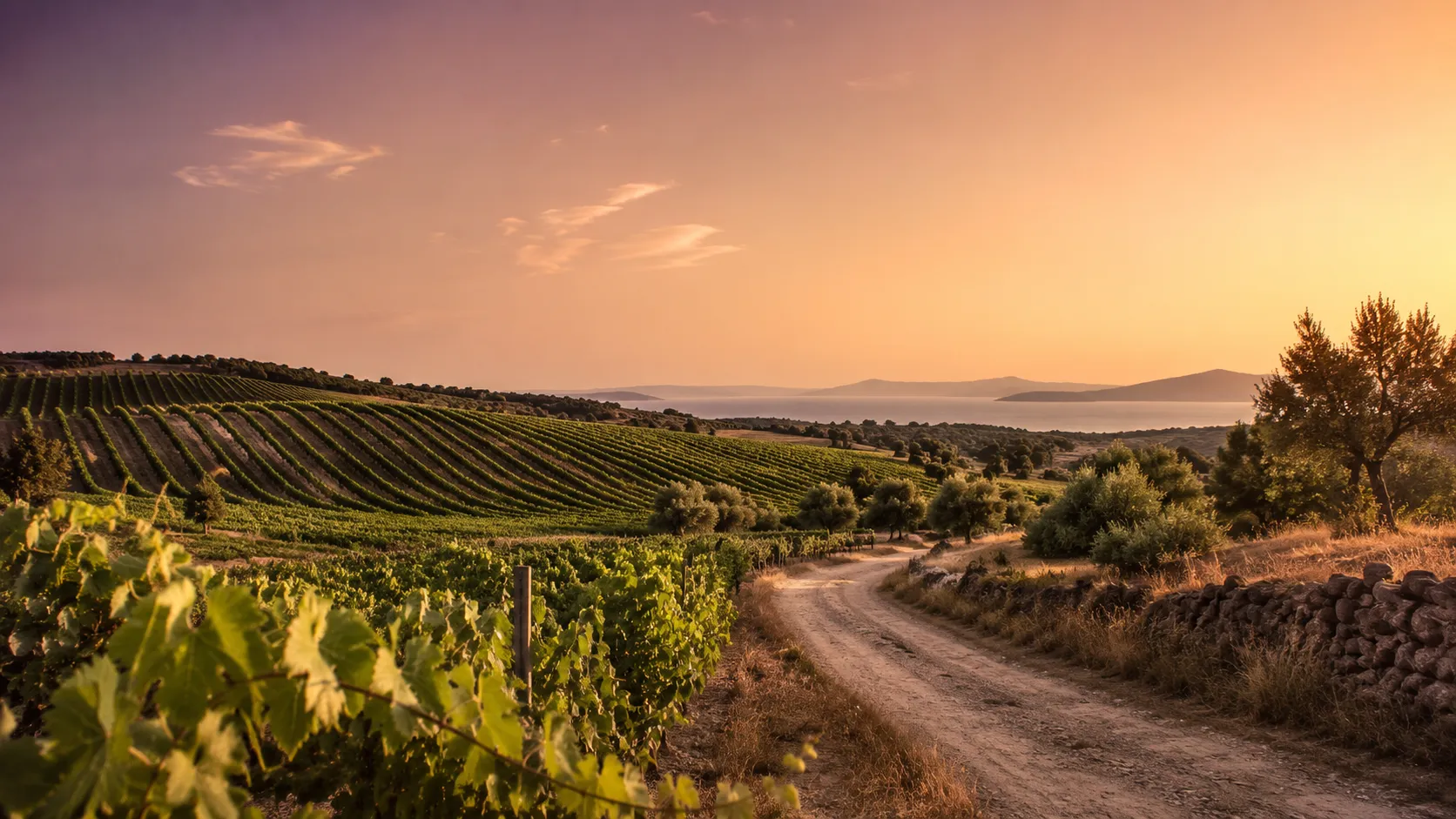
Urla Wine Route Guide: Vineyards and Wine Experiences in İzmir
The Urla Wine Route brings together vineyards, boutique wine producers, Aegean cuisine and peaceful countryside landscapes. This guide explores the character of the region and what to consider when planning a visit.